

By Rudaina Al Momani
CBRL Amman Senior Librarian and Researcher
From 12 to 16 October 2026, I had the opportunity to participate in the ADS Training School, organised by the Archaeology Data Service (ADS) in the historic city of York. The five-day programme brought together participants interested in archaeological data management and digital heritage, and offered us an opportunity to develop practical skills, exchange knowledge and explore new approaches to making archaeological information more accessible.
The training focused on Linked Open Data (LOD), semantic technologies and data modelling for cultural heritage. Through a combination of lectures and exercises, we explored how archaeological datasets can be cleaned, organised and connected to digital platforms such as ARIADNE , following the FAIR principles of making data Findable, Accessible, Interoperable and Reusable.
We were introduced to key concepts, including RDF triples, the AO-Cat ontology and CIDOC CRM, as well as practical tools such as OpenRefine, the X3ML Toolkit and the Vocabulary Matching Tool. These tools support the cleaning, standardisation and mapping of archaeological data, helping to improve its accessibility and potential for reuse.
One of the most valuable aspects of the training was the opportunity to work with my own dataset. Using OpenRefine, I learned how to identify inconsistencies, standardise information and improve data quality. As this was my first experience using these tools, the practical exercises and guidance from ADS trainers and visiting specialists were particularly helpful. Seeing the improvement in my dataset was one of the highlights of the week.
The programme also included a guest lecture by Dr Émilie Pagé-Perron on the Towards Universal Access to Cuneiform Heritage project, which offered an insight into how digital technologies can support the study and accessibility of cultural heritage.
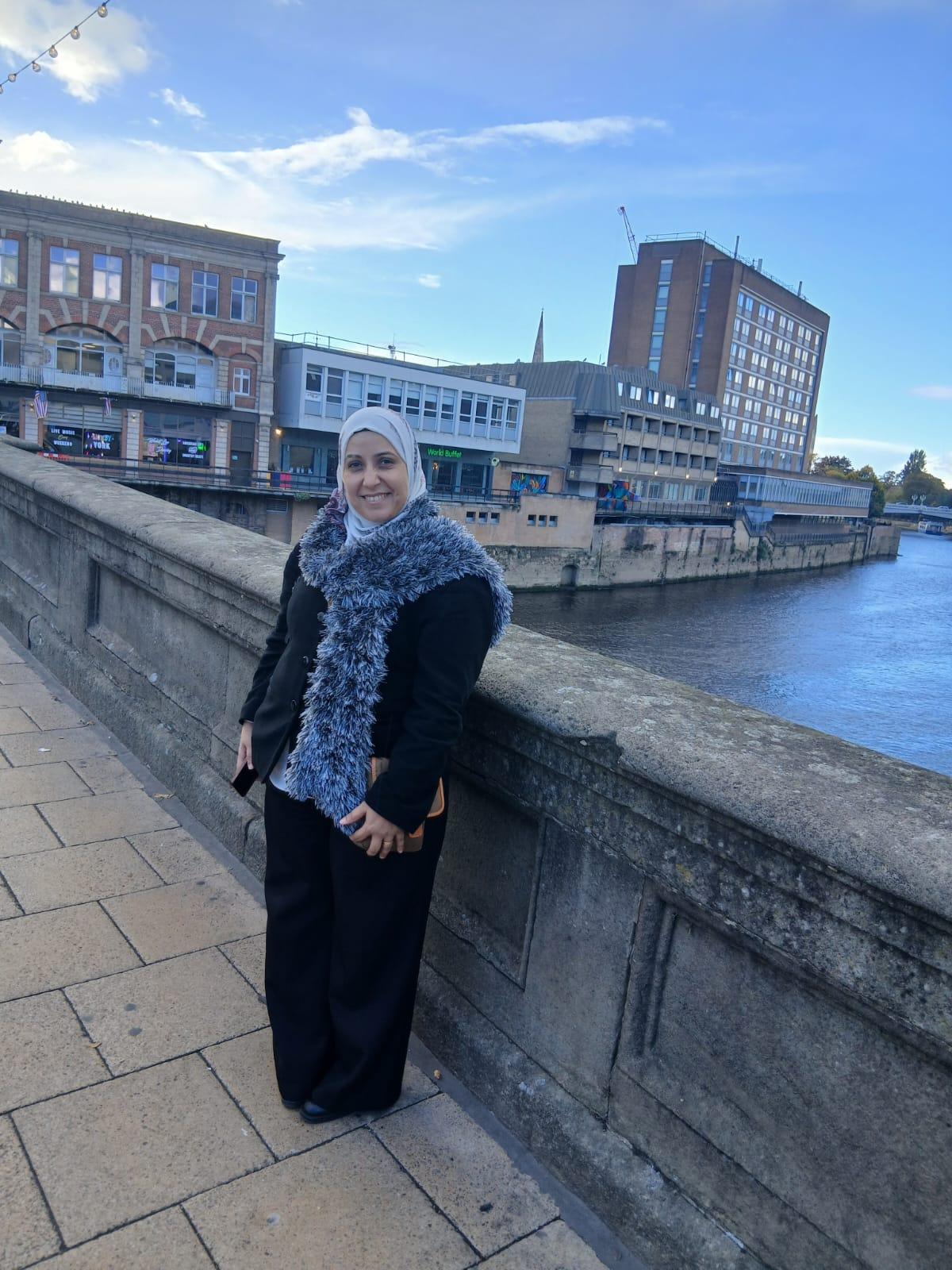
I had the opportunity to explore York’s medieval city walls and historic streets, and experience the city’s rich heritage. I also enjoyed the social gatherings and shared meals with fellow participants which gave us the opportunity to have discussions, to network and exchange experiences.
By the end of the training, I had a better understanding of how Linked Open Data and semantic technologies can be applied to archaeological data management. This will be invaluable for my future work in archaeological documentation, digital archiving and cultural heritage data accessibility.
I would like to express my sincere gratitude to CBRL for supporting my participation in this training opportunity. I am grateful for their assistance with travel arrangements and transportation, as well as their care and consideration in ensuring that I felt safe, comfortable and well supported throughout my journey. Their encouragement and support made this valuable learning experience possible.
I would also like to thank the ADS team, trainers and fellow participants for creating such a welcoming and supportive learning environment. The week in York was not only an opportunity to develop new technical skills but also a memorable experience of professional growth, cultural discovery and meaningful connections.