

CBRL Amman successfully concluded its Building Professional Capacity for Heritage Documentation, Registration, and Sustainable Management in Jordan training programme, held from 6–17 September 2026 at the CBRL Amman Institute. The programme brought together architects and municipal representatives from Jordan, Palestine, and Syria, providing participants with specialised knowledge and practical skills in documenting, assessing, registering, and supporting the sustainable management of Jordan’s architectural and urban heritage.
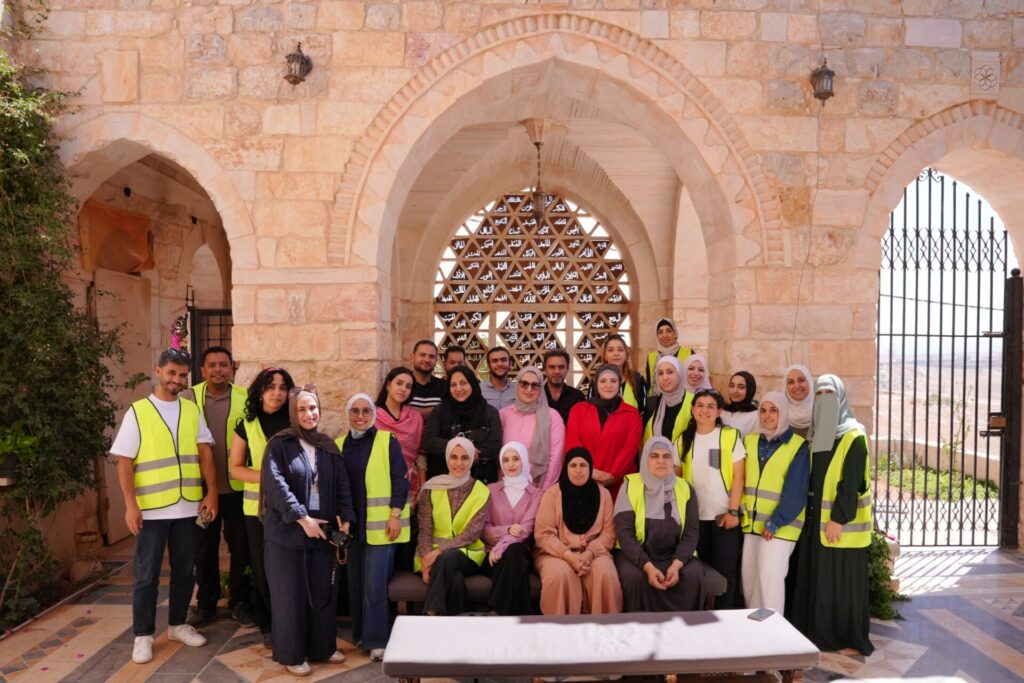
Building on CBRL’s previous heritage documentation training (2024–2025), the 2026 programme introduced participants to an integrated approach to heritage documentation, from archival research and the identification of heritage values to traditional field surveying, architectural recording, and data management for heritage registration. The programme combined lectures, practical exercises, fieldwork, and site visits across Amman, Madaba, and As-Salt.
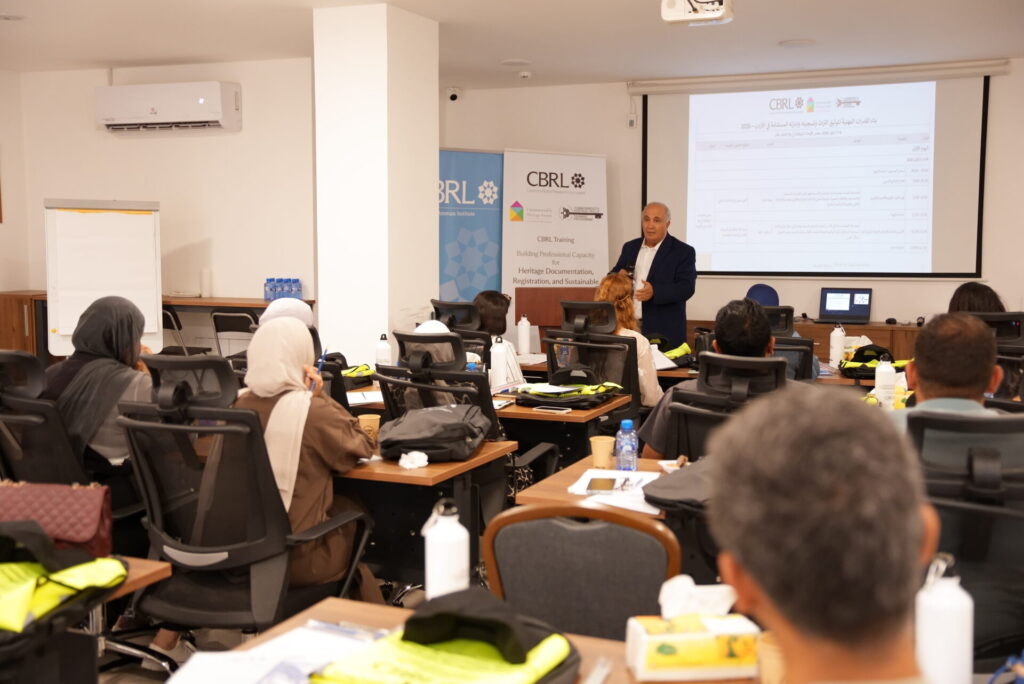
The training began by exploring the foundations of heritage assessment, including heritage values and significance, international standards for documentation, and their role in identifying, protecting, and managing heritage places. Participants also examined Jordan’s legal and institutional framework for heritage protection, with sessions addressing the roles of national institutions, municipalities, and professional bodies in the registration and preservation of heritage.
A significant part of the programme focused on traditional documentation methods. Participants developed skills in measuring, recording, sketching, and documenting buildings and architectural details. Fieldwork in Madaba provided an opportunity to apply manual surveying and recording techniques, while the tour in As-Salt focused on recording architectural details visually within the historic urban environment. In Amman, participants explored traditional architectural typologies at Dar Al-Oqoud, while sessions on sketching and visual documentation at the Cultural Hub Bayt Yaish strengthened their ability to observe architectural features. The programme also explored archival research, highlighting the importance of historical sources in understanding and documenting the stories behind historic buildings.
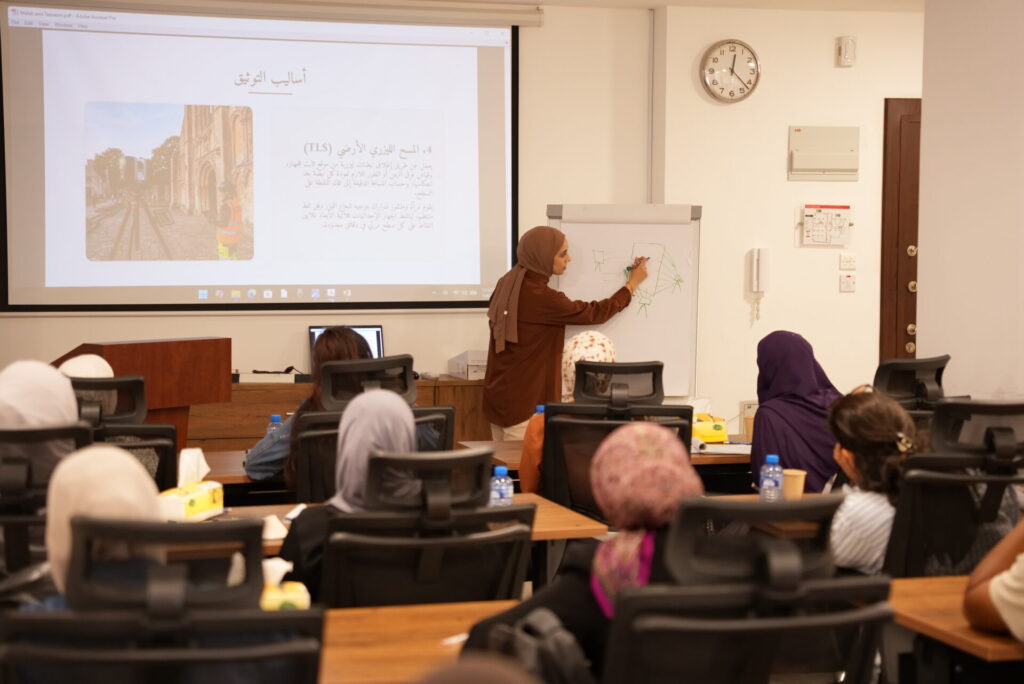
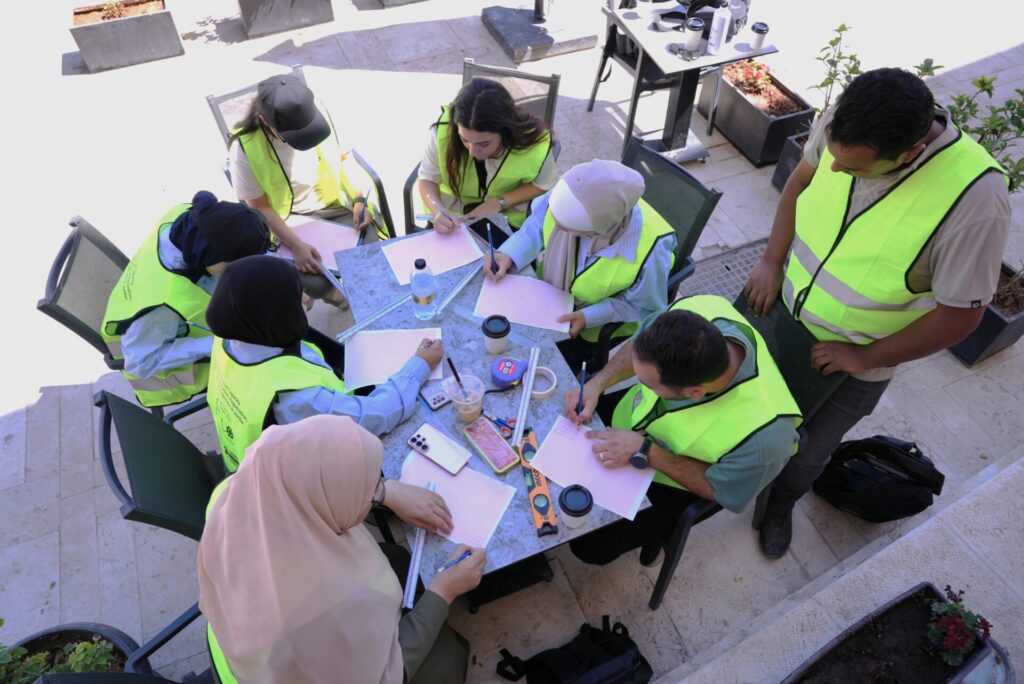
The programme also addressed the social and cultural dimensions of heritage. Sessions on impact assessment, community memory, and intangible values highlighted how historic places are understood and valued by the communities connected to them, and how these perspectives can inform their documentation and management. Later in the training, participants were introduced to digital documentation and data management, as well as the processes involved in the inscription of heritage buildings and sites on the Jordanian National Heritage Register.
The programme was delivered by heritage professionals, academics, architects, and practitioners from government institutions, municipalities, universities, and private organisations.


Participants will continue to apply the methodologies introduced during the training through the preparation and submission of a heritage documentation report within three months. The reports will bring together archival research, field documentation and data management while providing an opportunity for participants to demonstrate how they have applied the knowledge and skills gained through the training within their own professional roles and working contexts.
The 2026 programme marks another step in CBRL’s efforts to strengthen professional capacity in heritage documentation. By connecting practical skills with institutional knowledge and contemporary approaches, it aims to contribute to the long-term protection and sustainable management of Jordan’s architectural and urban heritage.
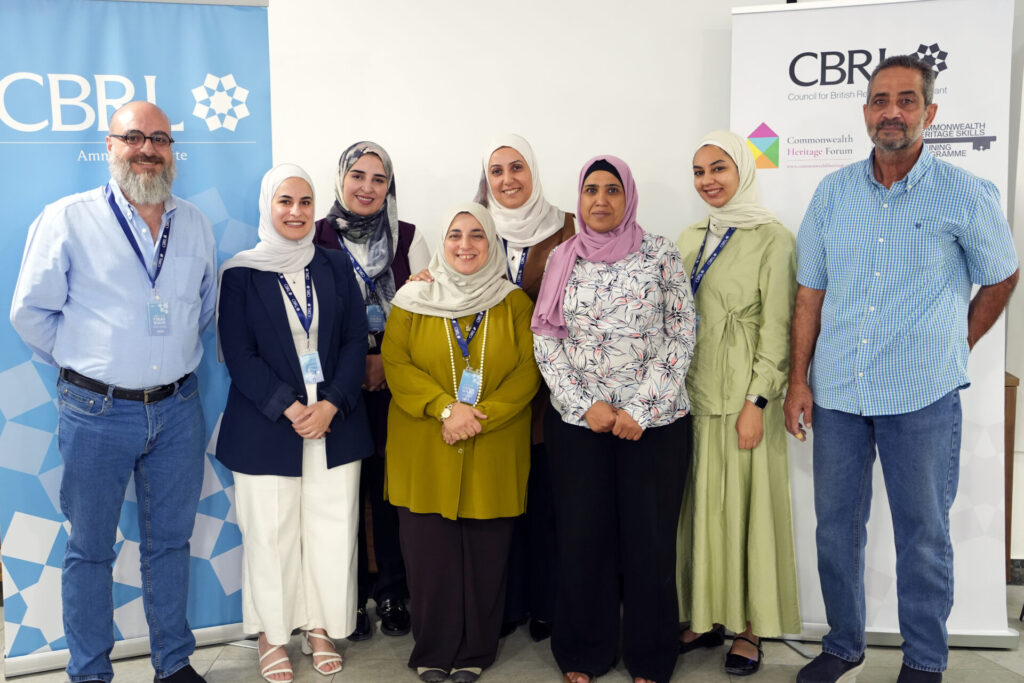
CBRL Amman thanks the Commonwealth Heritage Forum (CHF) for funding this initiative, as well as the trainers and participants for their expertise, commitment, and contributions to the programme.
Read more:
- Empowering the Next Generation of Architects to Preserve Jordan’s Post-1750 Heritage
- A workshop on Strengthening Municipal Roles in Supporting Jordan’s Heritage Protection (22-23 Oct 2025
- CBRL Secures Funding for a Hands-On Training Project on Architectural Heritage Documentation in Jordan
- Protecting Jordan’s post-1921 CE Built Heritage