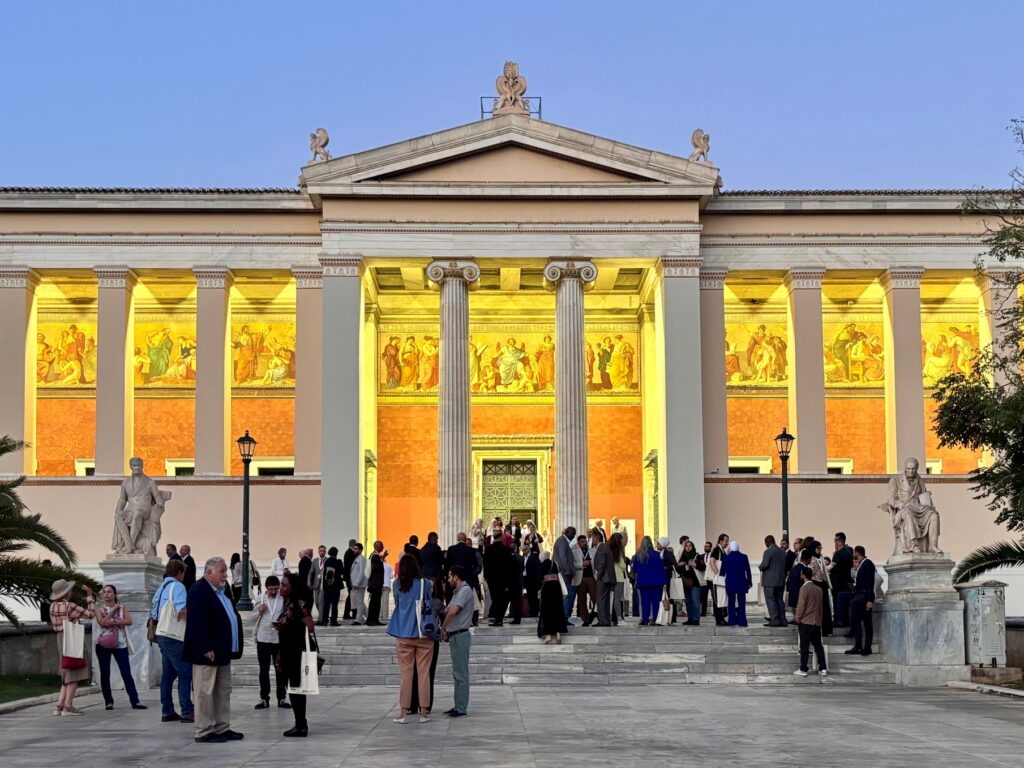


Under the patronage of HRH Prince El-Hassan bin Talal, the 16th International Conference on the History and Archaeology of Jordan (ICHAJ 16) brought together archaeologists, historians, and heritage specialists from around the world. The conference was organised by the Department of Antiquities and hosted by the National and Kapodistrian University of Athens, Greece, from 22 to 26 September 2025.
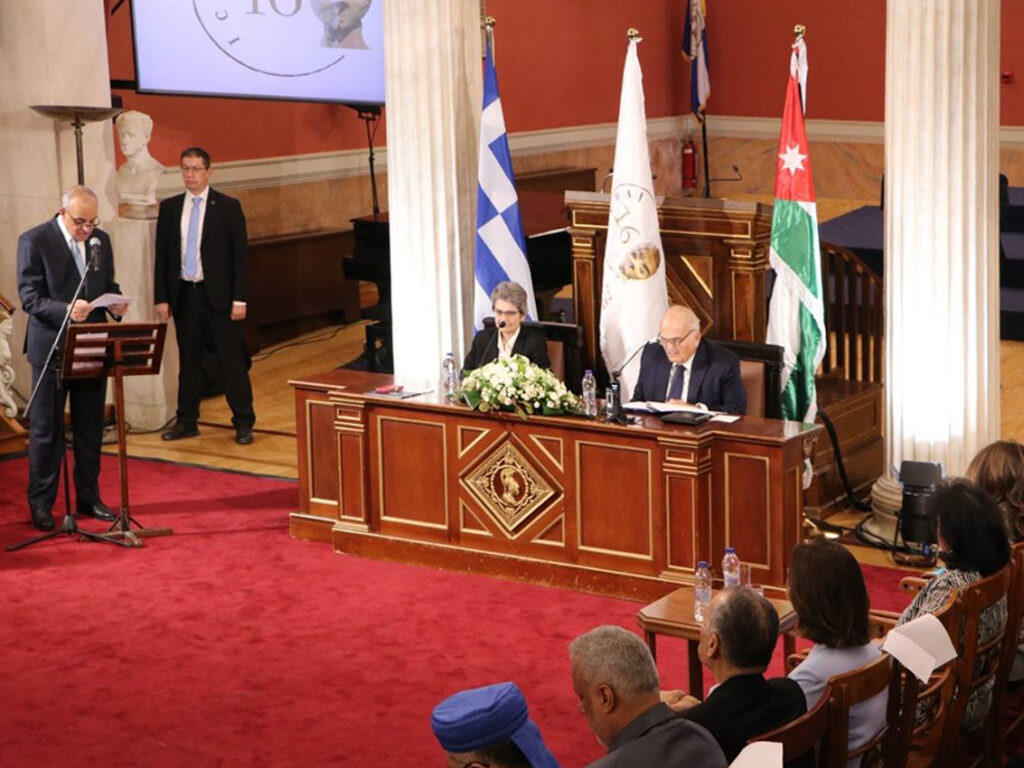
This conference has been held every three years since 1980. It continues to serve as a forum for advancing knowledge, fostering collaboration, and highlighting the latest research in the history and archaeology of Jordan and the wider region.
Several participants from the CBRL staff and a trustee attended this conference, which included presentations on projects funded by CBRL grants.
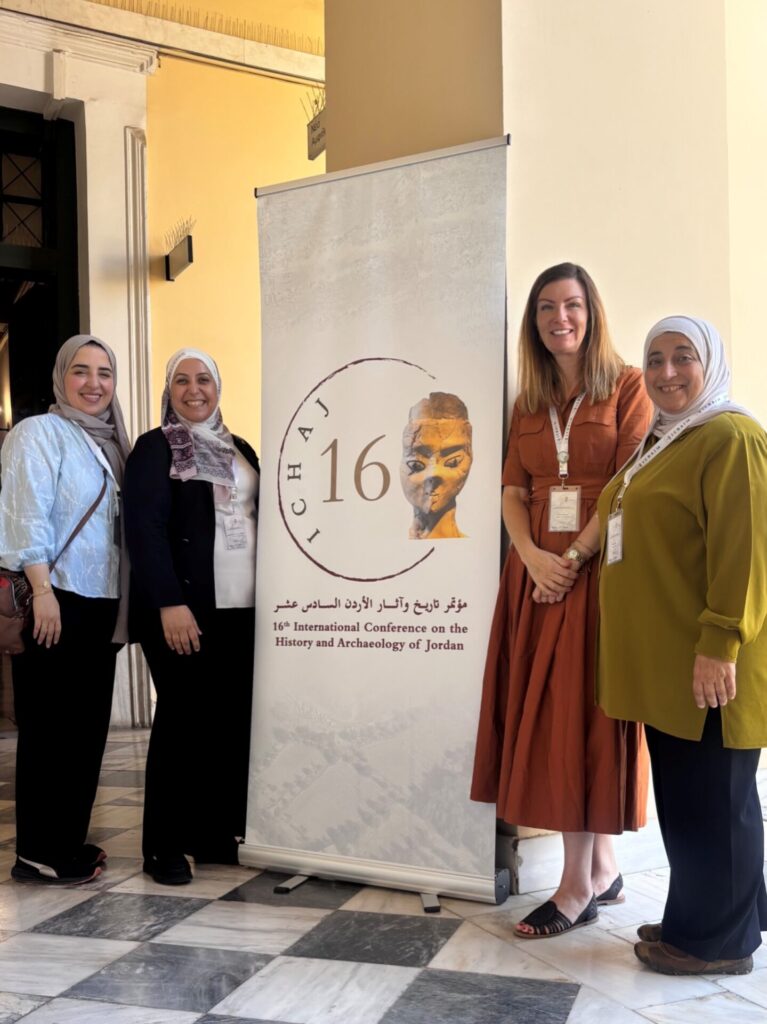
Dr Jane Humphris, the director of CBRL, attended as a member of the scientific committee for this conference.
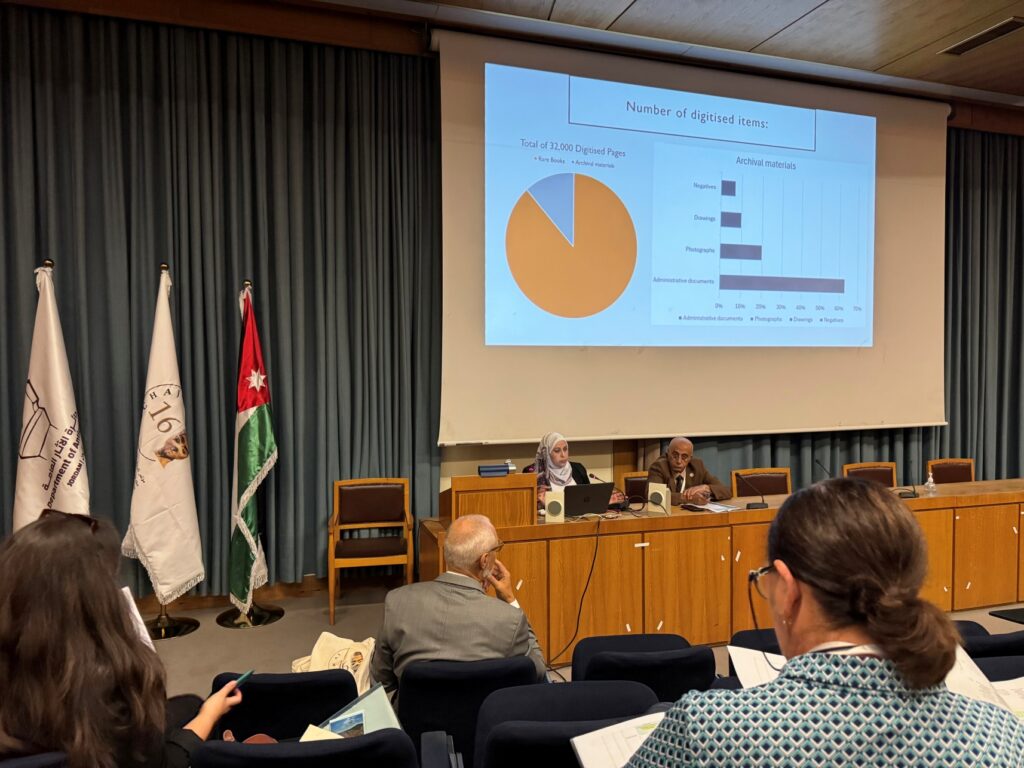
On behalf of the CBRL Archive team (Qasem Abu Harb, Eman Shahin and Rudaina Almomani), Rudaina presented the project “Understanding Mandate Palestine through the Publications and Archive of the British School of Archaeology in Jerusalem and Amman (CBRL) Archives,” highlighting the collection’s role in advancing research and its potential as a valuable scholarly resource.
As a PhD candidate in the History Department at the University of Jordan, Rudaina Almomani also presented work from her PhD thesis entitled, “The History of State Institutions in Jordan (1923–1952): Tourism and Antiquities as a Case Study.”
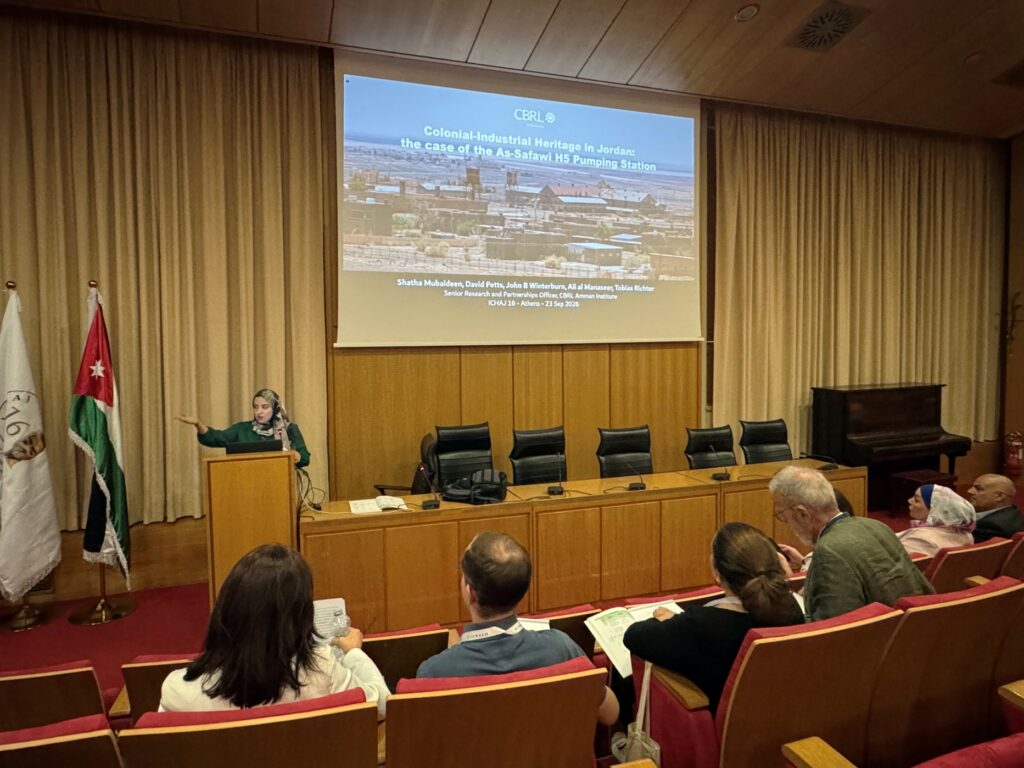
Shatha Mubaideen, Senior Research and Partnerships Officer at CBRL, delivered a paper on “CBRL Amman Institute Collaboration with the Jordan Engineers Association’s Heritage Preservation Committee”, showcasing collaborative approaches to sustainable cultural heritage initiatives in Jordan.
Shatha additionally presented a research project, funded by a CBRL Project Grant (2023–2025) with David Petts, John B Winterburn, Ali Al Manaseer and Tobias Richter, on “Colonial-Industrial Heritage in Jordan: The Case of the As-Safawi H5 Pumping Station” as a significant site for the study of colonial industrial archaeology in the region.
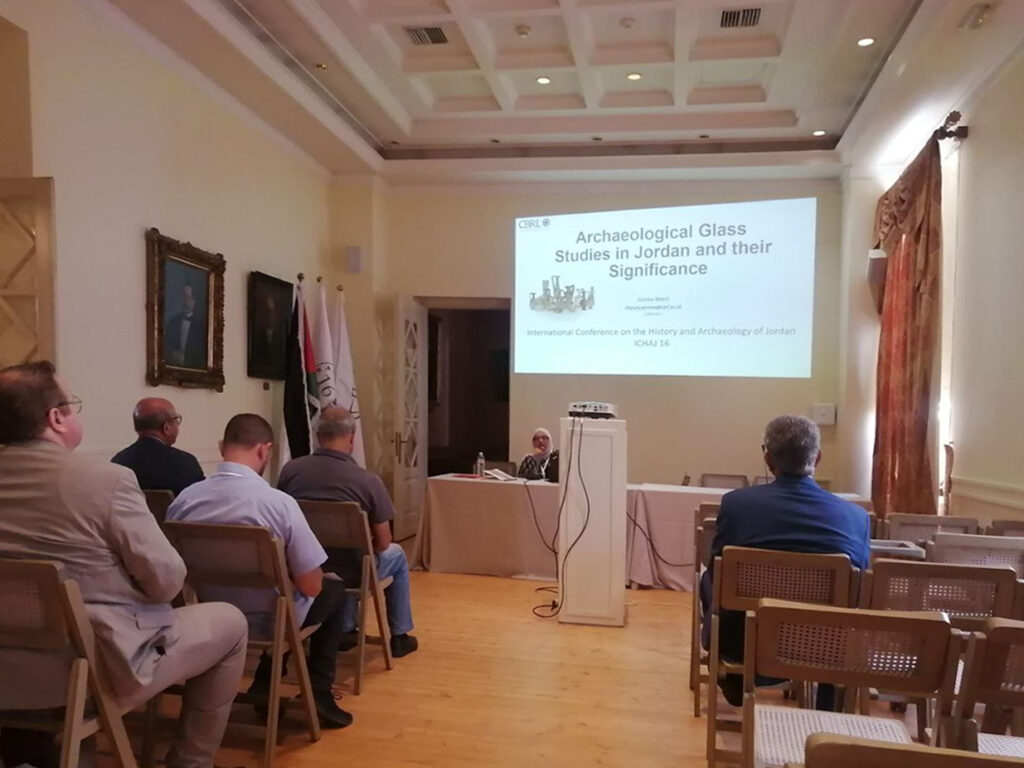
CBRL Amman Deputy Director, Dr Fatma Marii presented a paper on the “Archaeological Glass Studies in Jordan and their significance.” This paper highlights the significance of studying archaeological glass, the methods employed in its analysis, and the insights that can be gained from this data.
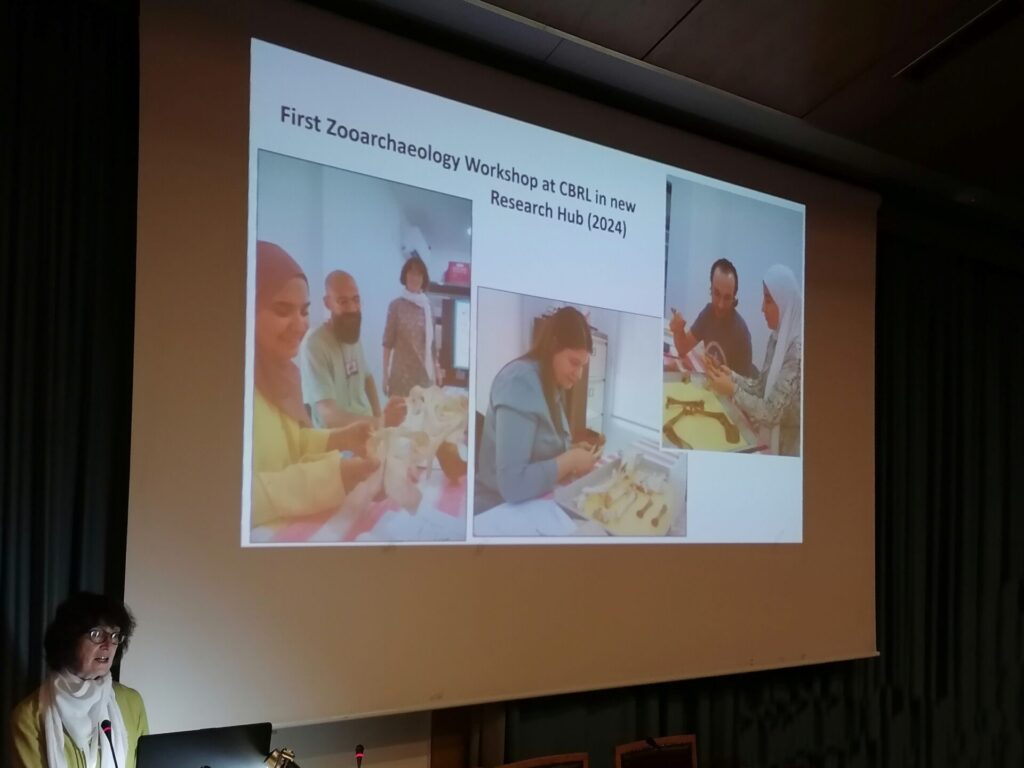
CBRL Trustee Prof. Louise Martin, along with the former Director of CBRL, Dr Carol Palmer, presented a paper on “Zoological and Botanical Reference Collections at the Council for British Research in the Levant (CBRL) Amman Institute: past, present and future roles.”
Some papers presented in this conference are part of projects that were funded by CBRL project grants, these include:
Louise Martin, Ahmad Shdaifat, Tobias Richter, Matthew Jones and Majed Ibrahim, presented a paper on “Wadi al-Dahek: Report on the first season of archaeological survey and sedimentological assessment in Jordan’s ‘White Desert’ in the eastern Badia.”
James Fraser and Caroline Cartwright presented a paper on “The Archaeology of Olive Oil: Excavations of a Specialised Oil Production/Storage site at Khirbet Um al-Ghozlan in the Late 3rd Millennium BCE.”
The CBRL team contributed to discussions and networking opportunities at the five-day event. The team visited the British School at Athens, one of the British International Research Institutes (BIRI), where they explored its library, archives, and Fitch Laboratory, which is used for applied science in archaeology. They also toured key cultural sites and museums, such as the Acropolis archaeological site and museum, as well as the Neraida Floating Museum. These visits and tours helped the team gain insight into both Athens’ historical heritage and cultural practices.